Sports Imaging
Imaging applied to decisions in high-performance sport
Reading an athlete's study does not end with identifying the lesion. Location, extent, tissue characteristics, mechanism, evolution and sporting context must be integrated with the clinical question.
Musculoskeletal & Sports Radiology
Applications
- Muscle injuries
- Tendon injuries
- Ligament injuries
- Bone stress
- Postoperative assessment
- Follow-up over time
- Return to sport
- Clinical–imaging discordance
Musculoskeletal imaging applied to professional sport, in close contact with medical departments and technical staff.
Field records
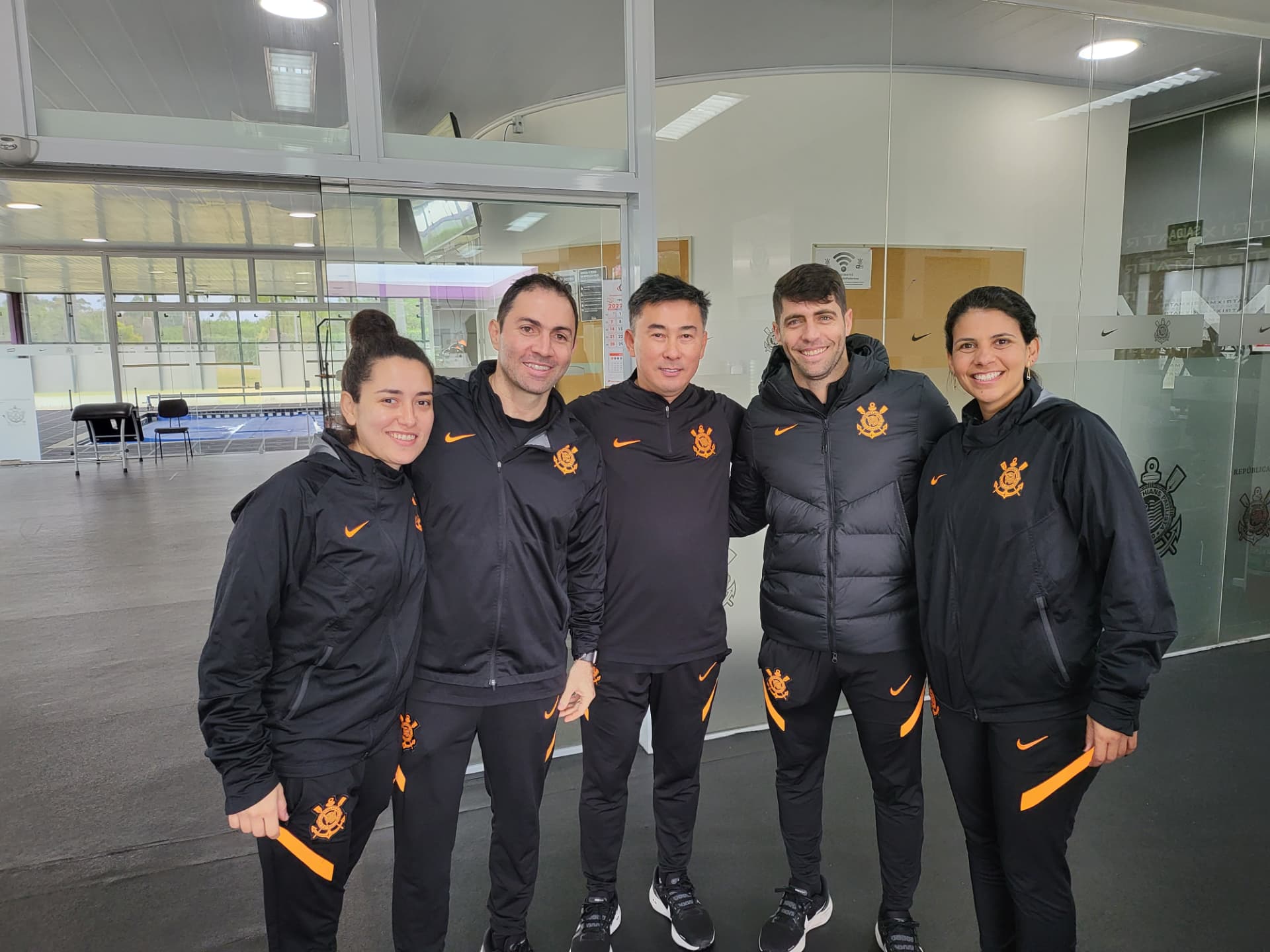
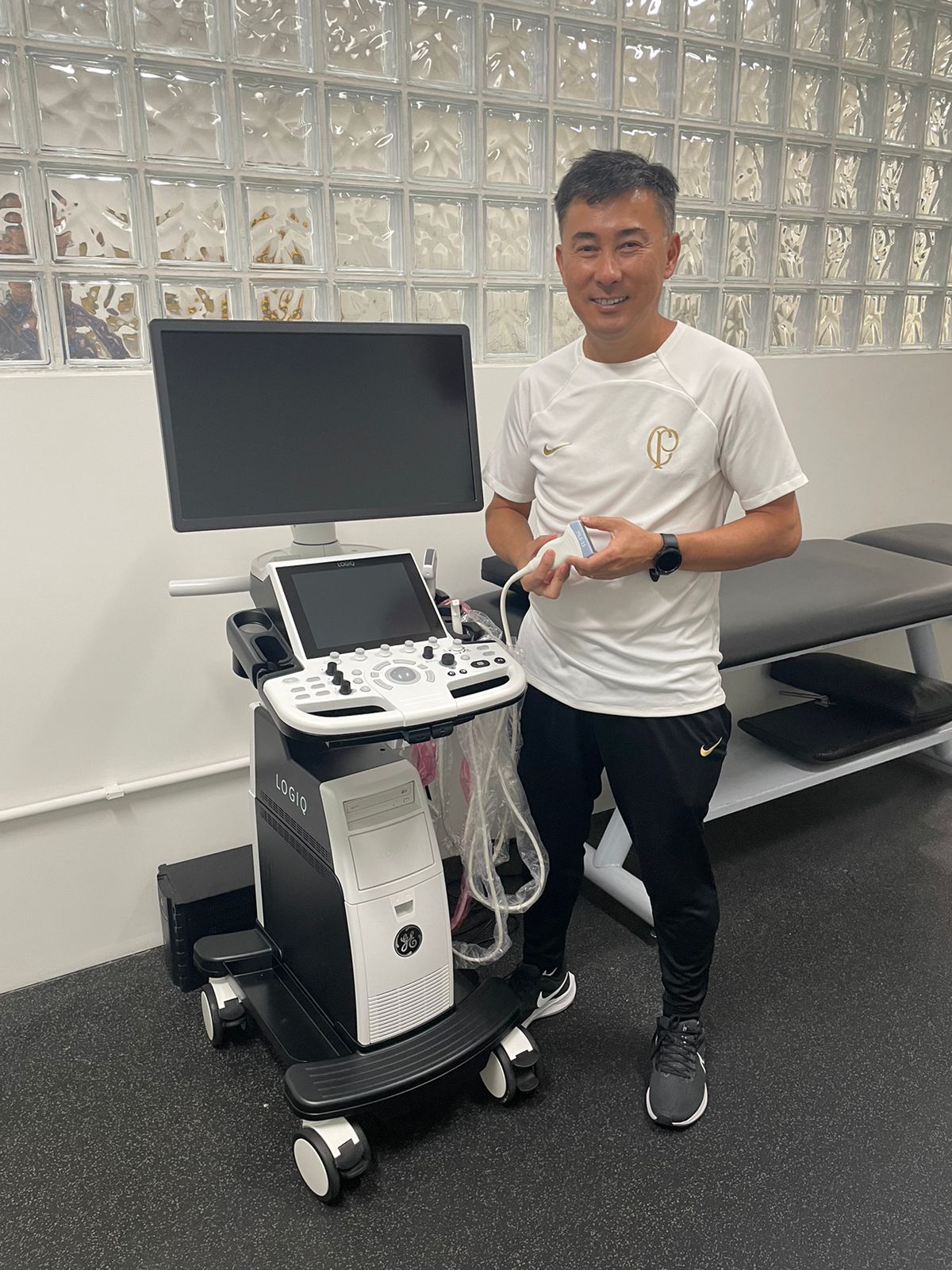
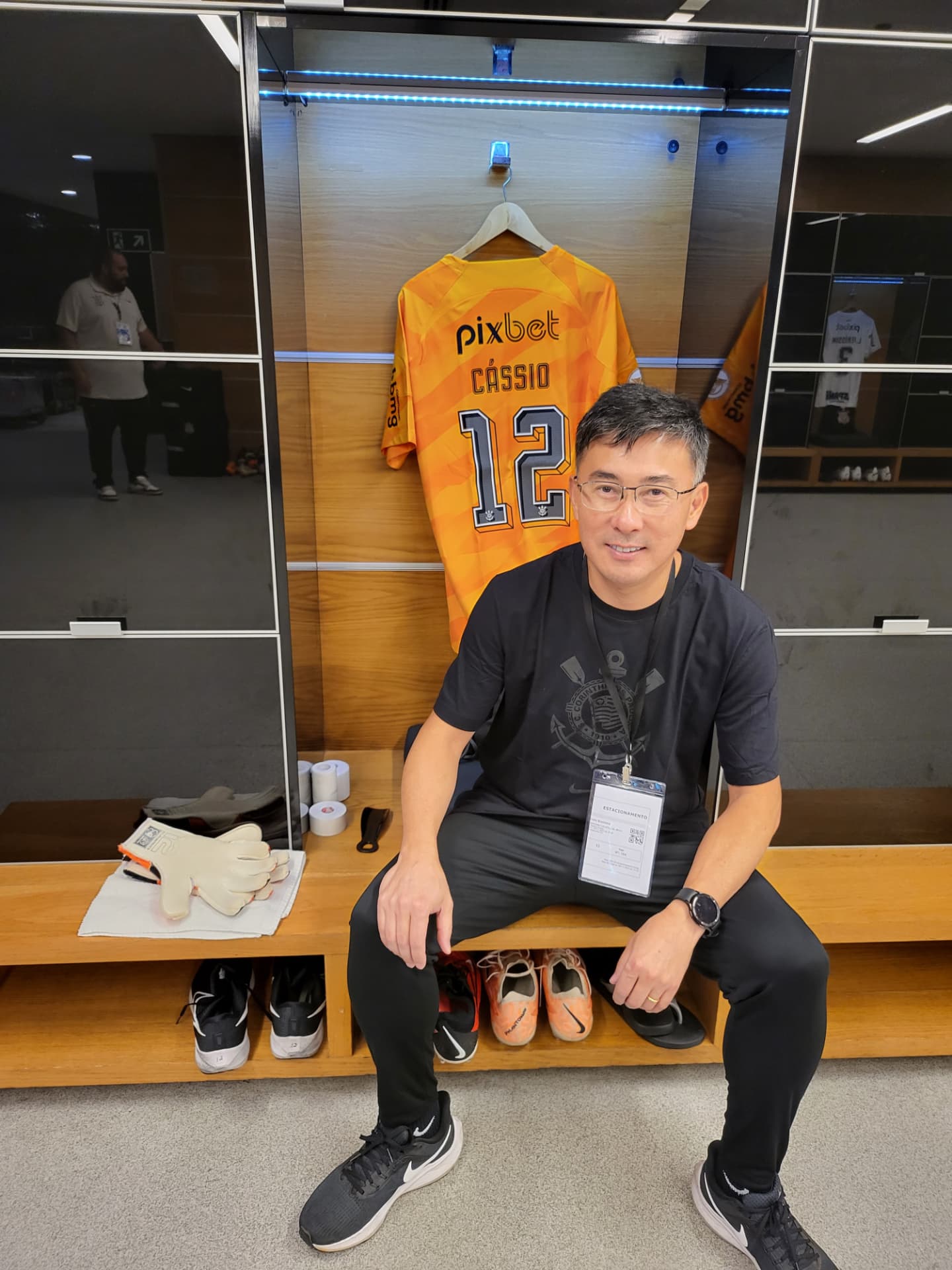
Professional context images, with no clinical data. Pictured athletes authorized publication.
Timeline
- 2011–2016 · 2022–2024
Sport Club Corinthians Paulista
Radiologist of the medical department: professional football, youth categories, futsal and women's football.
- 2014
FIFA World Cup Brazil 2014
Radiology consultant to the Iranian national team, providing musculoskeletal imaging support to the medical staff.
- Various periods
Athletes of Brazilian clubs
Documented musculoskeletal radiology experience with athletes of São Paulo FC, Palmeiras, AD São Caetano, Corinthians and Portuguesa, across different services.
- Since 2013
MedConnect Teleradiology
Coordination of the musculoskeletal division in teleradiology.
Imaging is one element of the decision: return to sport is not determined by a single study, but by the clinical assessment led by the responsible team. Club and competition names are cited only as a factual reference to professional activity.
Medical teams, clubs and professionals looking after athletes can request specialist review, including case discussion when agreed in advance.
Related reading
Musculoskeletal radiology second opinion
How a musculoskeletal MRI second opinion works: what is reviewed, what you receive, and when an additional specialist reading changes the plan.
Second opinionSports radiology second opinion
Specialist imaging review for athletes: muscle, tendon and ligament injuries, bone stress, postoperative assessment and follow-up over time.
Sports imaging